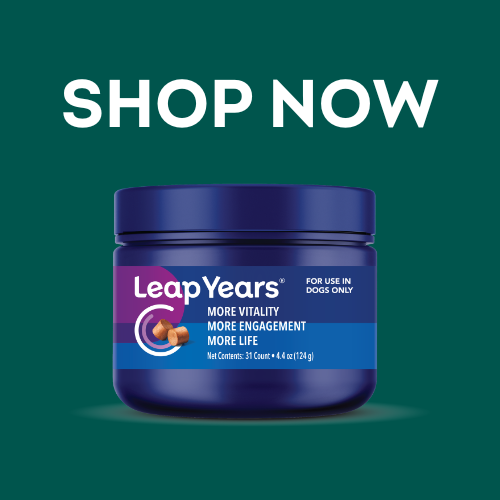
We’re honored to be surrounded by many veterinarians who champion science and push the standard of care forward every day. Leap Years® itself was developed alongside a dedicated veterinary team, grounded in research and a shared commitment to helping dogs live healthier lives for longer.
This month, in celebration of World Veterinary Day on April 25, 2026, we’re extending the spotlight beyond a single day to recognize and highlight veterinarians within our community.
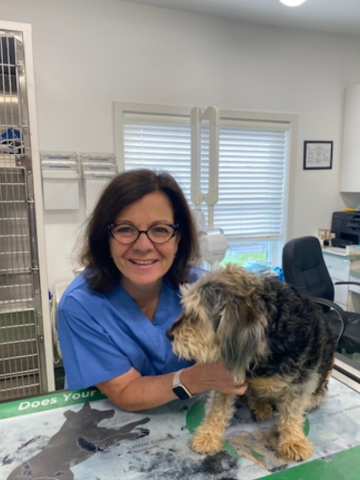
Dr. Melissa Shapiro
DVM
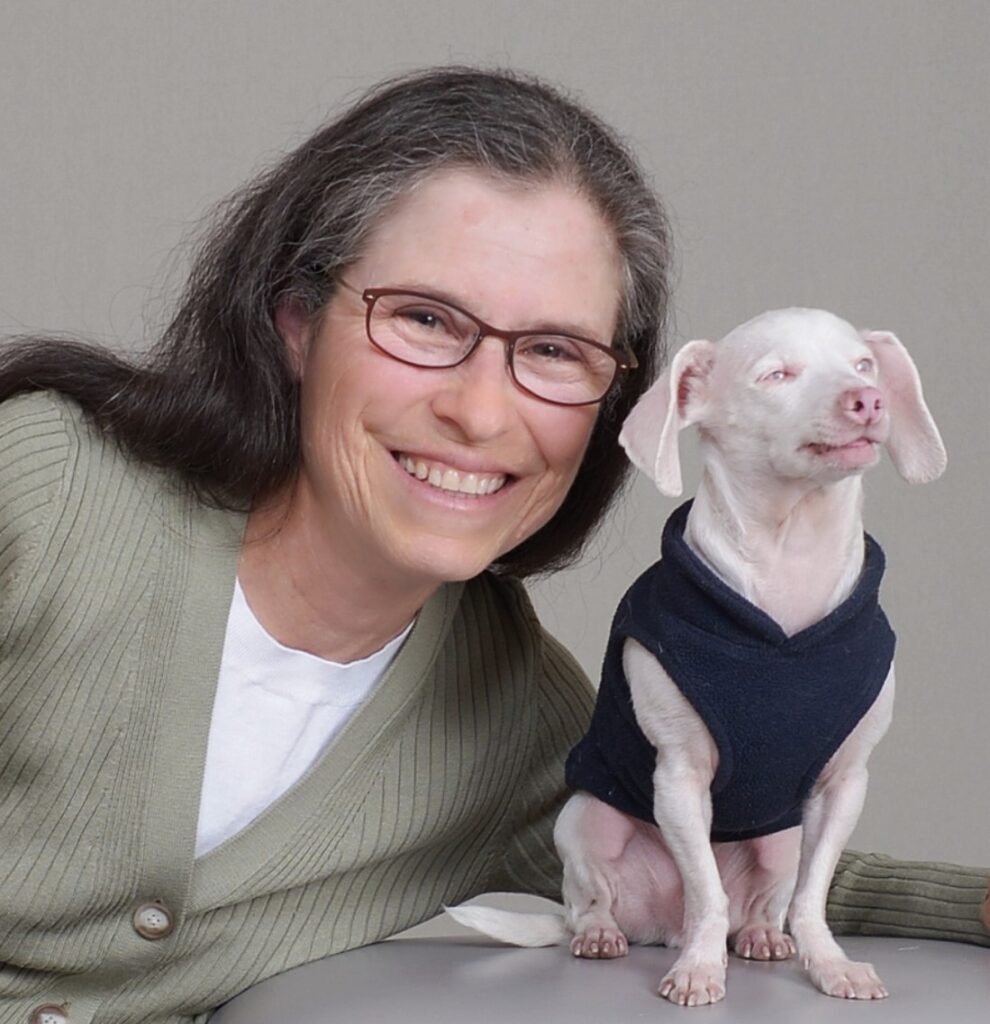
Dr. Melissa Shapiro is a small animal house call veterinarian with over 30 years of experience. Her practice is focused on supporting senior pets and their families as they navigate end of life care.
She is a speaker and author dedicated to advocating for rescued and disabled pets notably through her social media platforms that feature her deaf blind pink dog Piglet (@pinkpigletpuppy). Her Piglet Mindset school visit program inspires children to be positive, compassionate and kind using the example of Piglet and her 7 other rescued dogs.
Websites are pigletmindset.org and melissashapirodvm.com
Instagram accounts are @pinkpigletpuppy, @melissashapirodvm
Q: What does being a veterinarian mean to you?
A: Becoming a veterinarian was my dream from the time I was 6 years old. I feel fortunate that I knew what I wanted to do from a young age. Everything I did revolved around getting to the day I got my vet school acceptance letter. My long career has been fulfilling in so many ways. Of course, getting to care for animals is the primary reward, but over the years, developing relationships and friendships with my clients has been an equally important part of my work life.
For me, vet medicine is not just a job. It is a lifestyle. I can’t imagine having done anything else.
Q: What inspired you to become a veterinarian?
A: My parents took me to every farm, zoo (it was a long time ago), and wildlife park they could find because I loved animals so much from the very beginning. I became hooked on veterinary medicine when I went with my mother to bring my first puppy, Pretzel, to her first veterinary visit. I knew vet medicine was for me from that moment on.
Q: From meals to medicine, what’s one way dog parents can support their pup's health every day?
A: Generally, it’s very important for dog parents to establish a good trusting relationship with their local veterinarian. On a daily basis, good quality food, treats, and supplements-depending on the age and health of the dog-and enrichment all contribute to good health for dogs.
Dr. Heather Oxford
DVM, MPH, CVA, CCRT, ABAAHP
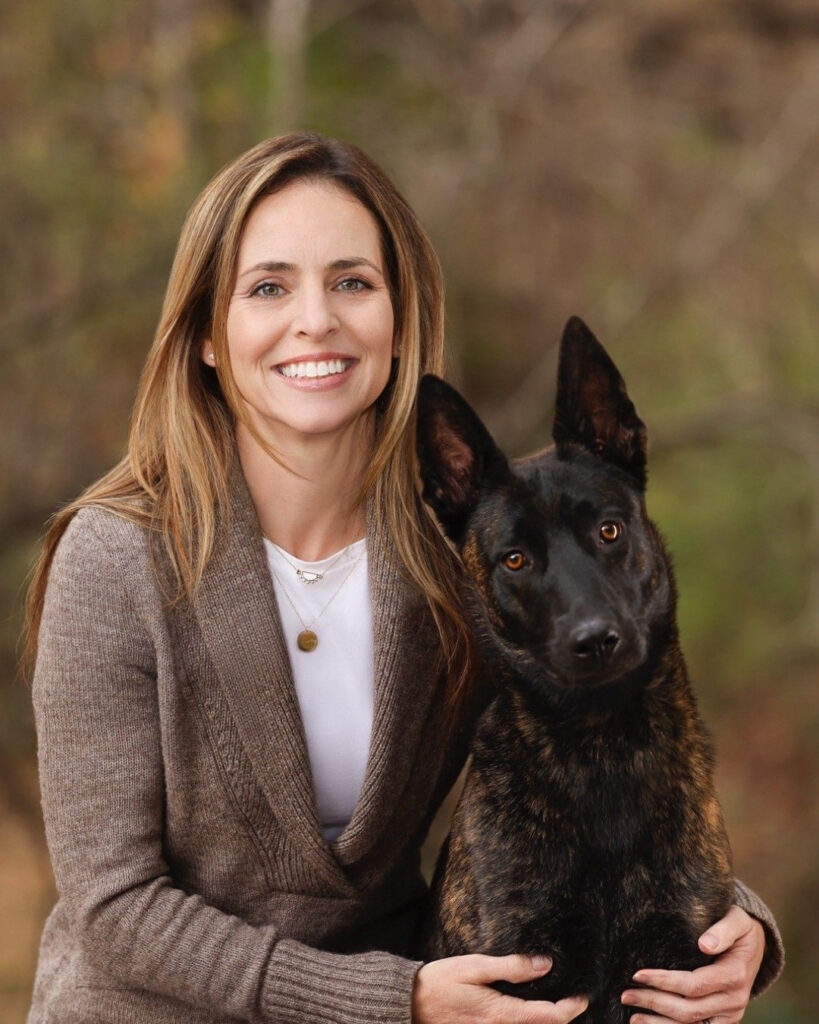
Dr. Heather Oxford is a mobile rehabilitation and acupuncture veterinarian based in Los Angeles, with over 20 years of experience. With advanced training across multiple disciplines, she focuses on helping pets live longer, more comfortable lives through a personalized, longevity-centered approach that blends Traditional Chinese Veterinary Medicine, therapeutic exercise, and nutrition.
Website: https://heatheroxford.com/
Find Dr. Heather on: Instagram (Dr.Heather.O)
Find Dr. Heather on Facebook (DRHEATHEROXFORD)
Q: From meals to medicine, what’s one way dog parents can support their pup’s health every day?
A: One of the most powerful ways you can support your dog’s health every single day is through nutrition. What your dog eats doesn’t just fill their belly—it directly impacts inflammation, energy, longevity, and overall well-being.
If we really want to promote healthspan and get to the root of many health issues, we have to address inflammation, and that’s tough to do if your dog is eating a processed diet that actually promotes it. Supplements and herbs can absolutely help, but they work best when they’re supporting a strong, healthy nutritional foundation—not trying to fix a poor one.
Here are a few simple, evidence-based principles to keep in mind:
Most dogs don’t need as much food as the bag suggests. Feeding guidelines are often generous, and overfeeding can quietly contribute to inflammation, weight-related problems, and shorter lifespan according to a 2002 study in Labrador Retrievers.
Quality and variety matters. Choosing organic ingredients when possible can reduce exposure to pesticides, hormones, and antibiotics—and may offer better overall nutrient quality. A robust variety of healthy foods in your dog’s diet can improve the balance of microorganisms in your dog’s microbiome, reducing inflammation, improving metabolism, immune function, and cognitive preservation.
Dr. Tori Countner
DVM
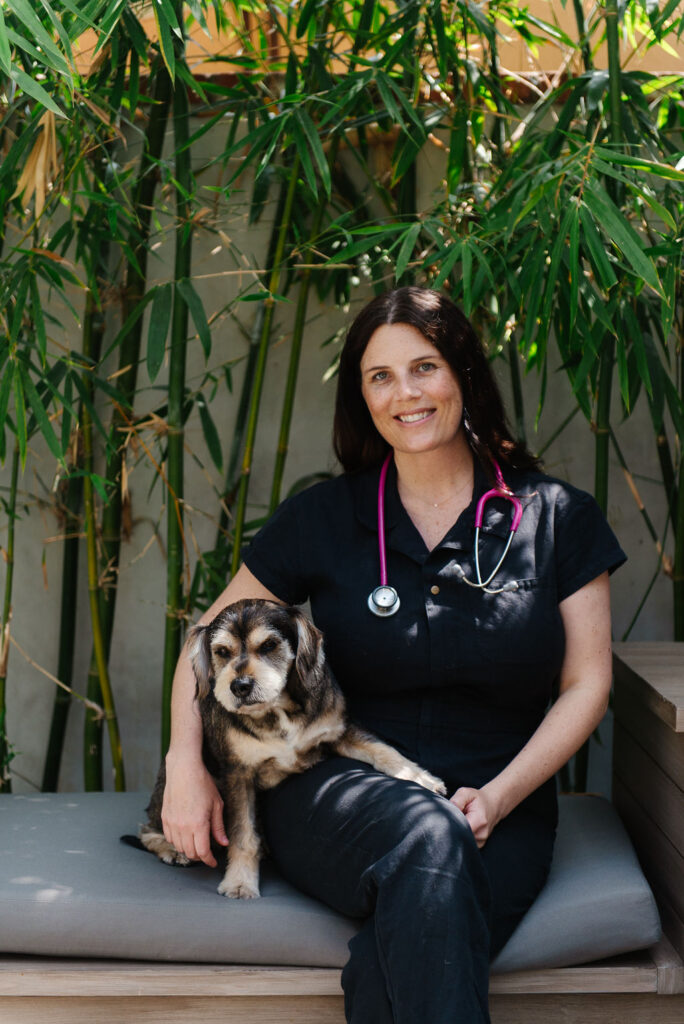
Dr. Tori Countner is a veterinarian with over 13 years of experience, specializing in integrative care and support for aging dogs. Her approach combines therapies like acupuncture, laser therapy, and Paw Sha, alongside microbiome support and targeted supplementation to promote overall wellness and quality of life.
Website: https://www.balancedpetvet.com/
Find Dr. Tori on: Instagram (balancedpetvet)
Find Dr. Tori on: Facebook (Balanced-Pet-Vet)
Q: What’s the one misconception about pet nutrition or wellness that you wish everyone knew?
A: That there’s no one “magic fix.” I see this all the time in my practice with people searching for one perfect supplement, food, or trend that will solve everything. But true wellness, especially as dogs age, is built with small, consistent changes with nutrition, movement, microbiome health, environment, activity, and support. What makes the biggest difference are the small, consistent choices on a daily basis, like how your dog moves, what they eat, and how early you pick up on subtle changes. An integrative approach looking at all sides of your dog’s health, helps the body stay balanced before bigger issues develop.
Because by the time we’re reacting to an issue, the body has often been compensating for a while. The goal isn’t perfection, it’s consistency. And that’s what helps dogs stay comfortable and thriving for longer!
Dr. Ginny Rentko
VMD, DACVIM
Dr. Ginny Rentko, Leap Years CEO and CVMO, is a veterinary internal medicine specialist based in Boston, with over 30 years of experience. She is driven by both the intellectual challenge and the deeper purpose of her work, valuing the impact each decision has on both the patient and the person behind them. Supporting a dog’s health while also caring for the person behind the leash is what makes her work continually meaningful and fulfilling.
Q: What does being a veterinarian mean to you?
A: Being a veterinarian has meant something different at each stage of life. At five years old, it was a simple love for animals. Over time, that early instinct matured into a deep appreciation for the discipline itself – the problem solving, the clinical reasoning, and the responsibility of piecing together complex information to guide a thoughtful plan.
Q: How does being Leap Years CEO/ CVMO impact the way you see dog longevity?
A: Serving as both the CEO and CVMO of Leap Years has sharpened how I think about longevity – not so much extending years, rather improving the quality of the years. As an internal medicine specialist, I’ve spent my career managing the downstream effects of aging; now, Leap Years, we focus upstream on the biological mechanisms that drive it.
That shift is both exciting and humbling. It reinforces that every intervention we pursue ultimately touches a relationship – there is always someone on the other side of the leash. Helping dogs live healthier, longer doesn’t just benefit the animal; it deepens the animal-human bond, which is one of the most meaningful outcomes we can contribute to as veterinarians.
Q. Why do you love recommending Leap Years to dog parents?
Dr. Melissa Shapiro: Given the scope and lack of regulations in the pet supplement industry, I’m happy to find a science-backed supplement that I can trust for my own dogs and my patients. Having tried Leap Years for my own dogs, I’ve seen the positive effect on their cognition and overall feeling of wellness. So, it’s very easy for me to endorse and recommend Leap Years for middle-aged and senior dogs.
Dr. Heather Oxford: I love recommending Leap Years because it’s one of the few products I’ve seen make a meaningful, visible impact across multiple aspects of aging—all at once.
Pet parents often notice improvements in appetite, sleep, vitality, activity, and even cognitive sharpness. And importantly, it’s never too late to start—many older dogs begin showing positive changes within just a couple of weeks.
The product is manufactured to high standards, including cGMP, and aligns with National Animal Supplement Council guidelines—reflecting a broader effort to raise quality and transparency in the supplement space. There’s also strong support available for both veterinarians and pet parents, which makes implementation much easier. And ultimately, what matters most is what we see in practice: consistent, encouraging results—from what pet parents observe at home to what veterinarians can objectively assess.
Dr. Tori Countner: I love recommending Leap Years because I have seen it help my older patients and my own dogs. People report their older dog is more present in daily life, and overall appears to be happier, even in just a few weeks.
It also fits into the kind of care I believe in—simple at-home support, that prioritizes support for older dogs at the root of your pet’s health, not just a band-aid over an issue. At the end of the day, people don’t just want more time with their dogs; they want better quality time with them!
Final Words
At the heart of each of these perspectives is a shared belief: that better health for our dogs is built through thoughtful, science-driven care, delivered with empathy and intention. Whether it’s advancing research, supporting daily habits, or guiding families through every stage of life, veterinarians play an essential role in shaping how well our dogs live.
As we recognize World Veterinary Day, we’re reminded that this work extends far beyond a single moment. We’re proud to learn from and collaborate with this community—and to continue working toward a future where dogs can live healthier and more fulfilling lives.