For Tori, healthy aging isn’t something that starts later in life—it’s something she builds every day, both as a veterinarian and as a dog mom to Huey and Ollie.
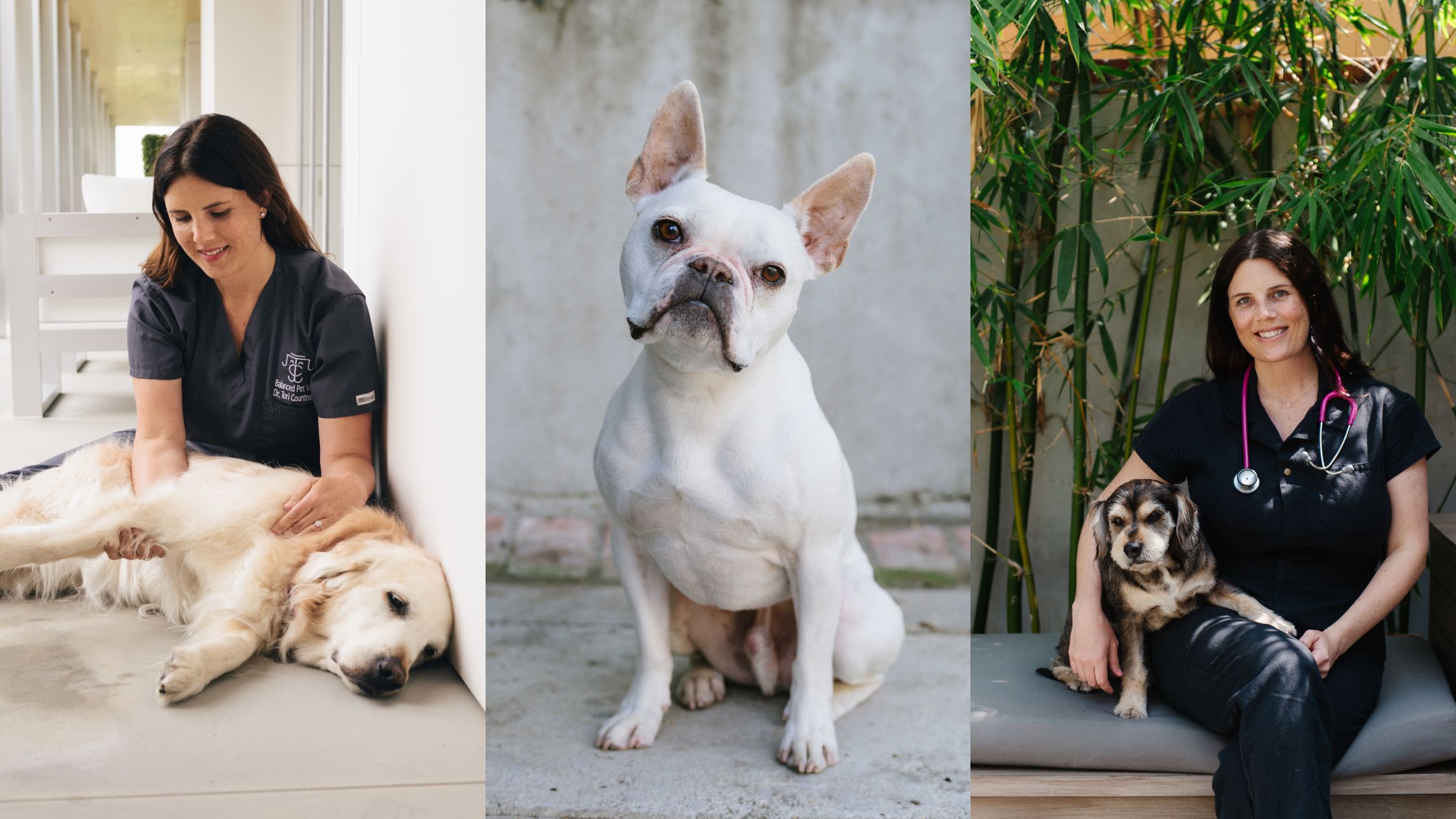
In this conversation, Tori shares her perspective on longevity through both a clinical and deeply personal lens. With years of experience supporting senior dogs—and two of her own by her side—her approach reflects what it really means to grow alongside your dog. From proactive care to the small, everyday decisions that shape long-term health, her insight is a reminder that healthy aging is something we take part in together.
Question 01
As a veterinarian, what does healthy aging mean to you, and why is it important to start thinking about it before dogs show signs of getting older?
Healthy aging isn’t just about dogs living longer, but living better. My goal as a vet is more quality years with their families, not just more years.
When I look at an older dog, I think about their daily experience and routine. Are they able to move comfortably? Are they still excited about walks, their favorite toys, or spending time with their family? Are they engaged with the world around them? This is what differentiates good quality of life.
Many of the changes we associate with aging don’t happen overnight. They develop gradually over time, often long before obvious signs appear. That’s why it’s so important to start supporting healthy aging before a dog seems “old.” By being proactive and supporting the body’s natural aging processes early, we have a much better chance of maintaining cognitive function, activity, vitality, and overall quality time throughout their senior years.
It’s always easier to maintain health than it is to try to regain it once significant decline has occurred.
Question 02
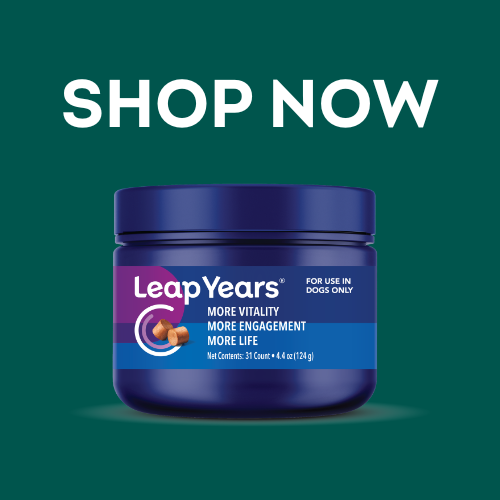
As both a veterinarian and pet parent, why did you choose to include Leap Years® in your dog’s routine, and how does it fit into your overall approach to supporting healthy aging?
As a veterinarian who focuses heavily on senior dog health and as someone with two senior dogs of my own (Huey is 15 and Ollie is 12), I’m always looking for ways to support healthy aging before problems arise.
What I appreciate about Leap Years® is that it addresses key biological processes associated with aging. It combines NAD+ support with a senolytic designed to help clear aging cells, supporting healthier cellular function overall.
As dogs age, we naturally see changes at the cellular level that can impact cognitive function, cellular energy, and overall vitality. Supporting those processes is an important part of my healthy-aging strategy. I’ve been encouraged by the improvements many pet owners report, including increased engagement, vitality, and overall zest for life. Ultimately, anything that helps dogs feel better and stay connected with their families is worth paying attention to.
Question 03
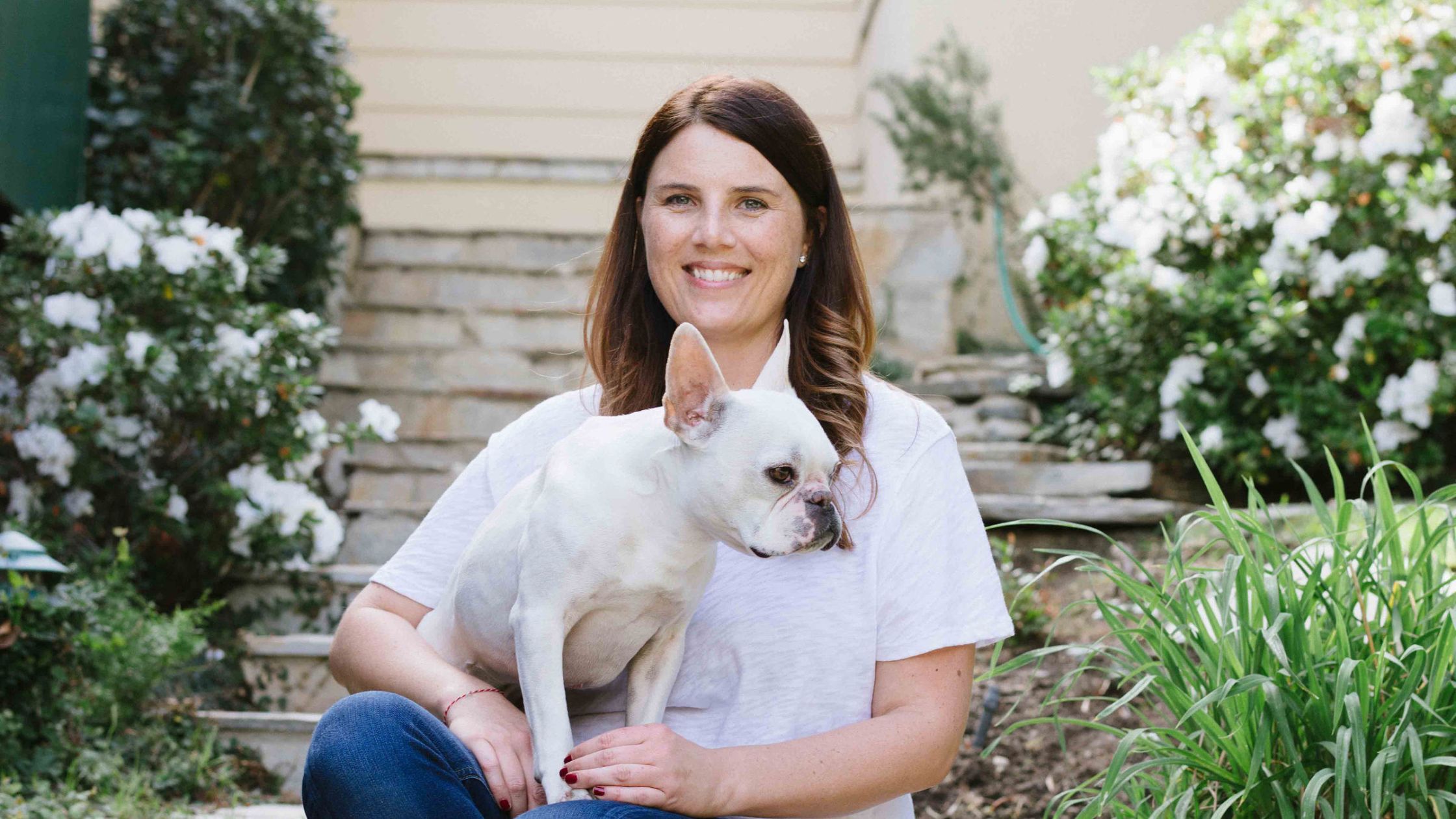
Huey is 15 years old and has been by your side through many stages of life. How has your understanding of the aging process influenced the way you care for him today, and what have you learned from watching him grow older?
Huey and I have been through many stages of life together, and caring for him as he’s aged has reinforced something I tell my clients every day: healthy aging starts long before a dog becomes a senior.
Throughout his life, I’ve adjusted his care based on what his body needed at each stage. It hasn’t been perfect, but I try to focus on preventative strategies whenever possible to maximize quality years for Huey’s life.
One of the biggest lessons Huey has taught me is that aging isn’t something we fight, it’s something we work with. My job as a pet parent, and a veterinarian, is to support his body as needs change over time.
That’s one reason I chose to start him on Leap Years® before he developed major age-related concerns. We know that NAD+ levels naturally decline as animals age, and I want to support those pathways proactively to help him maintain his vitality, engagement, and our quality time spent together for as long as possible.
Question 04
How has the conversation around longevity shifted in veterinary medicine, and why do you recommend Leap Years®?
The conversation around longevity has evolved significantly in veterinary medicine. Years ago, much of the focus was simply on helping pets live longer. Today, we’re talking more about healthspan, not just lifespan.
Pet parents are increasingly interested in helping their dogs stay active, comfortable, mentally engaged, and connected with their families as they age. They don’t just want more time with their pets; they want those years to be meaningful and enjoyable.
As veterinarians, we’re learning more about the biological processes involved in aging and how we can support them as dogs grow older. That’s where products like Leap Years® fit into the conversation. It gives us another tool to help support our dogs’ vitality as they grow older.
I recommend Leap Years® because it aligns with how I approach senior care: supporting the body proactively, addressing aging at its foundation, and focusing on helping dogs maintain health and happiness for as long as possible.
“Healthy aging is something we build alongside our dogs, long before they ever show signs of slowing down.”
Looking ahead
Tori’s story brings to life what healthy aging really looks like—not as a milestone, but as an ongoing, shared experience. Through every stage with Huey and Ollie, it’s clear that longevity is shaped by the care, attention, and intention we bring into each day.
Because in the end, it’s not just about extending time—it’s about protecting the moments within it: the walks they still get excited for, the connection they continue to share, and the life you build side by side. Healthy aging doesn’t happen to our dogs alone—it happens with them, every step of the way.